Build Advanced Cybersecurity AI Agents with CAI Framework
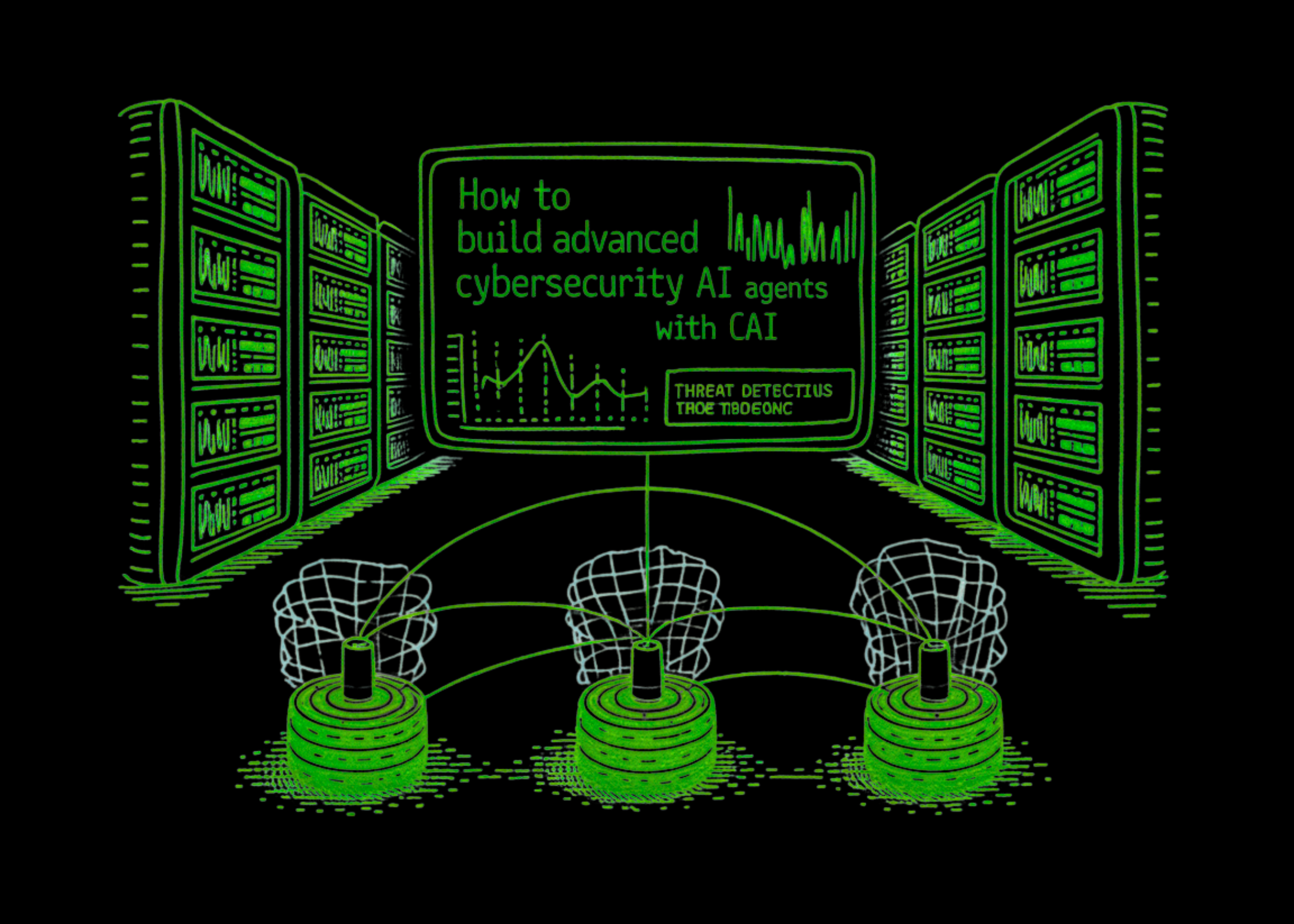
This tutorial guides you through building and exploring the CAI Cybersecurity AI Framework step by step in Colab using an OpenAI-compatible model. We start by setting up the environment, securely loading the API key, and creating a base agent. Gradually, we delve into more advanced capabilities such as custom function tools, multi-agent handoffs, agent orchestration, input guardrails, dynamic tools, CTF-style pipelines, multi-turn context handling, and streaming responses.
As we work through each section, we observe how CAI transforms plain Python functions and agent definitions into a flexible cybersecurity workflow that can reason, delegate, validate, and respond in a structured manner. We set up the CAI environment in Google Colab by installing the required packages and securely loading the API key. We then configure the model, import the core CAI classes, and define helper functions that make outputs easier to read.
Finally, we create our first cybersecurity agent and run a simple query to see the basic CAI workflow in action. We define custom cybersecurity tools that allow our agents to check IP reputation, simulate a port scan, and look up CVE details. We utilize the @function_tool decorator to make these Python functions callable tools within the CAI framework.
We then connect these tools to a recon agent and run an investigation task that combines multiple tool calls into one structured security analysis. This approach provides deeper insight into how CAI can effectively handle various aspects of cybersecurity, offering an agent capable of executing complex tasks such as checking IP reputations and scanning ports.
Thus, CAI offers a powerful toolkit for creating intelligent agents that can significantly streamline and enhance cybersecurity processes.
Похожие статьи
Google Launches Free AI Training for Massachusetts Residents
Google launches free AI training for Massachusetts residents through the Grow with Google program.

Create New Worlds in Project Genie with These 4 Tips
Learn how to create interactive worlds in Project Genie with simple tips.
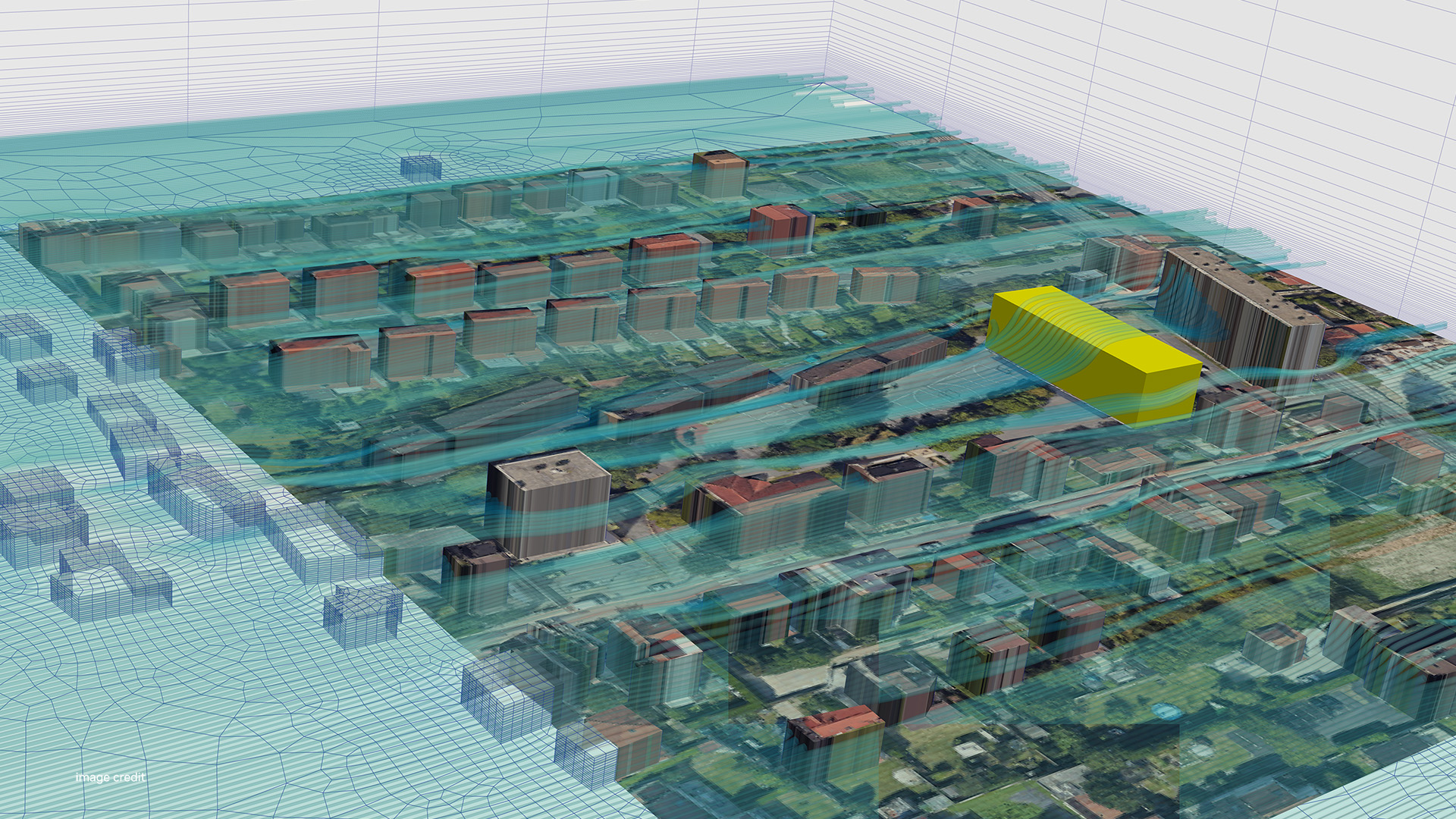
Accelerate AI Factories for Enhanced Grid Reliability
NVIDIA and Emerald AI introduced a new approach to AI factories at CERAWeek, enhancing grid reliability.