
Using AI to Combat Bias in Healthcare
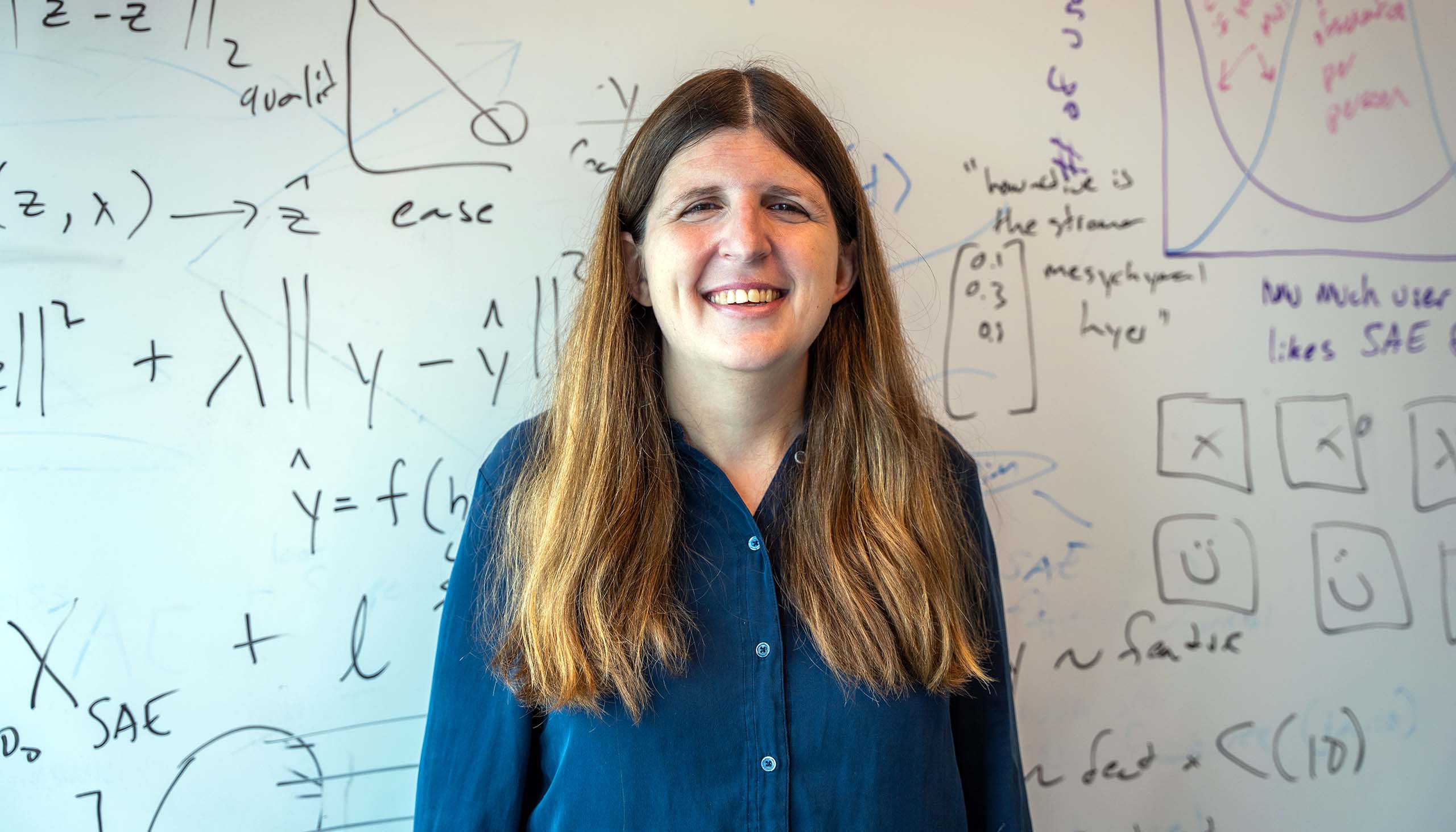
Emma Pierson, a researcher at UC Berkeley, believes we can leverage artificial intelligence to improve healthcare and criminal justice systems if we design algorithms with equality in mind.
Every year, AI and algorithms are increasingly used to make life-altering decisions, from assessing cancer risk to determining criminal sentences. But how can we ensure these algorithms are free from the biases inherent in human decision-making?
The Potential of AI in Healthcare
Pierson is developing AI and machine learning methods for medicine and social sciences, aiming to enhance healthcare and reduce social inequality. She recently created a new test for detecting racial discrimination in policing.
Personal Experience
Pierson learned about her predisposition to breast cancer, which motivated her to study statistical methods and apply computer models in healthcare.
Working with Police Stop Data
Pierson's work with police stop data revealed undeniable racial disparities, inspiring her to address racial inequalities. She and her colleague devised a new way to test whether inequities are caused by discrimination.
- Using AI to enhance fairness
- Developing algorithms to counteract bias
- Challenges in implementing fair algorithms
Pierson emphasizes that creating and implementing fair algorithms in the real world comes with numerous challenges, as algorithms trained on biased data will also make biased decisions.
Evolutionary Biologist Calls for a Pause on AI Development
AI Enhances Weather Forecasting for Farmers in India
Похожие статьи

Create Music with Lyria 3, Our Newest Generation Model
Discover the new music generation model Lyria 3 from Google, available for developers.

LL COOL J and James Manyika Discuss AI and Music
LL COOL J and James Manyika discuss how AI impacts music and creativity.

Launch Canvas in AI Mode for New Projects
Canvas in AI Mode is now available for everyone in the U.S., simplifying project creation.