
Explore the Influence of Myths on Understanding AI Today
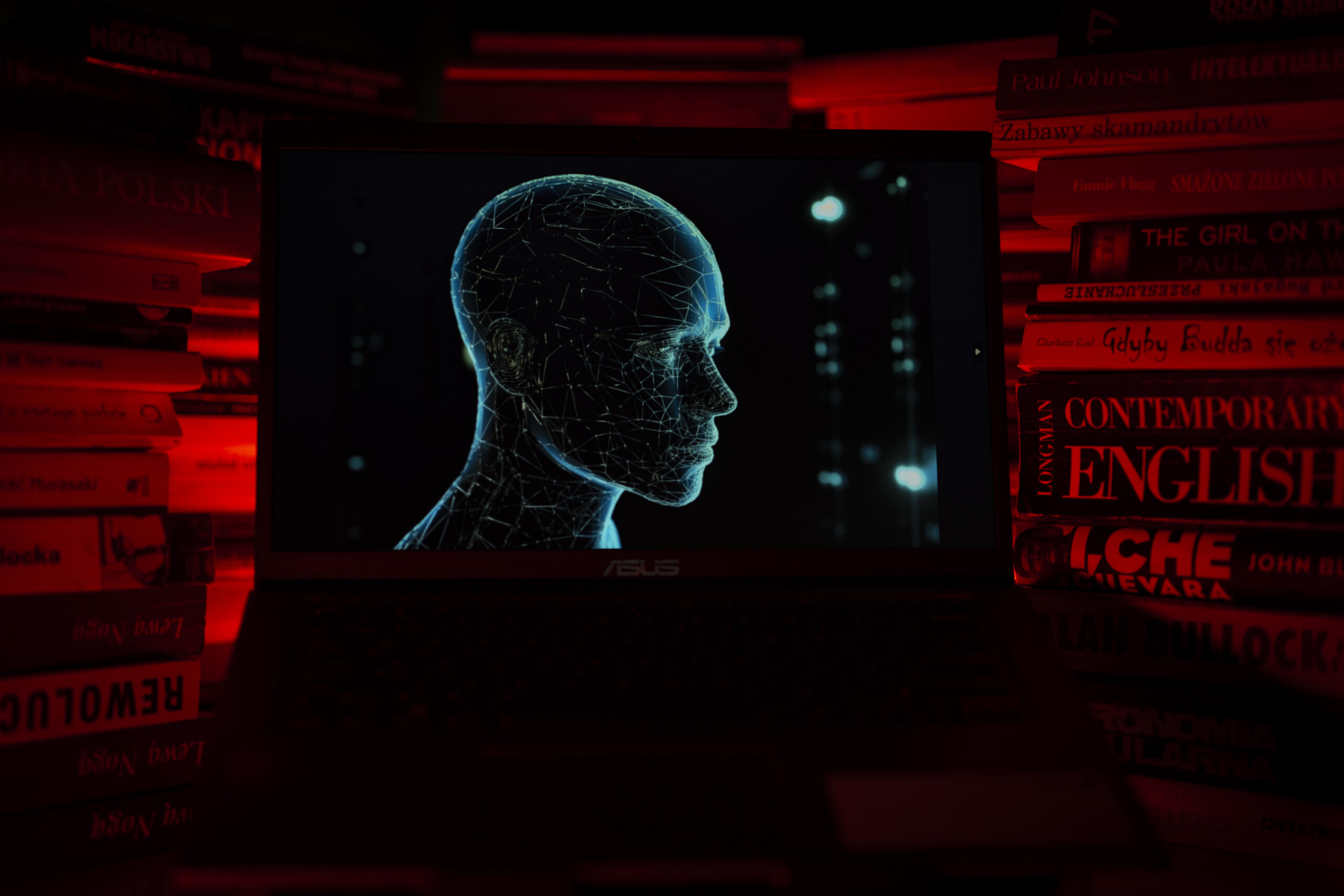
In her new book, UC Berkeley researcher Nina Beguš explores how art, history, and literature provide a window into AI development, revealing a hopeful and cautionary path forward for humanity.
The Influence of Humanities on Technology
Beguš interrogates questions about creativity, language, and the relationship between humans and machines. She offers tools for understanding new technologies and invites readers to see how studying the humanities can lead to a more thoughtful future for AI.
Historical Parallels
Nina Beguš recalls an event ten years ago where engineers showcased robots that could recognize human emotions. This foreshadowed the rise of chatbots in everyday life.
- Beguš emphasizes that the humanities have much to offer AI developers.
- She calls for closer collaboration between technologists and humanists.
Her book, Artificial Humanities, aims to bridge the gap between technology and the humanities, showing that understanding human nature is essential for interpreting AI.
Myths and Modern Technology
Ancient Greek myths, such as the Pygmalion myth, tell of a man who falls in love with a statue he created. These stories highlight that the obsession with creating sentient machines is an age-old human pursuit.
Beguš notes that modern films like Ex Machina and Her explore the relationships between humans and their AI creations, serving as cautionary tales.
Evolutionary Biologist Calls for a Pause on AI Development
AI Enhances Weather Forecasting for Farmers in India
Похожие статьи
Compare Image Editing Models for Optimal Choice
Compare various image editing models and choose the best one for your needs.
Create Music with Lyria 3, Our Newest Generation Model
Discover the new music generation model Lyria 3 from Google, available for developers.

LL COOL J and James Manyika Discuss AI and Music
LL COOL J and James Manyika discuss how AI impacts music and creativity.