
Transform Your Brand with AEO and GEO in 2026
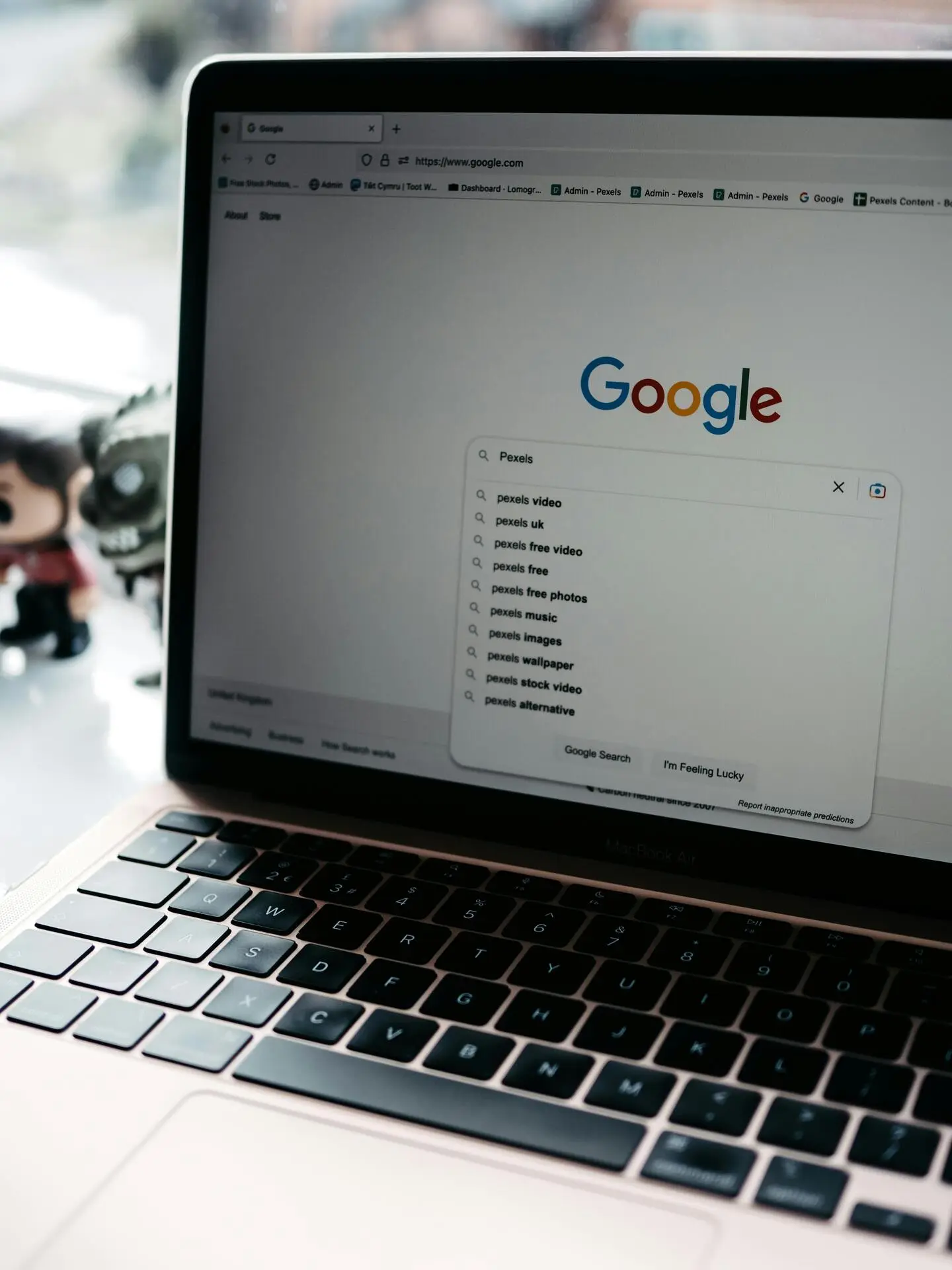
Pew Research Centre's analysis in March 2025 revealed that users who encountered AI-generated summaries clicked on traditional results only 8% of the time. In contrast, those who didn't see a summary clicked nearly twice as often, at 15%. This highlights a significant shift in brand discovery. Generative AI platforms like ChatGPT are already attracting 5.72 billion monthly visits, making it clear that brands must prioritize AI search. The crucial question is whether your content is structured for the two distinct ways AI retrieves and presents information.
According to BrightEdge, Google search impressions surged by 49% in the year following the launch of AI Overviews, while click-through rates plummeted by nearly 30%. Seer Interactive's study showed that organic CTR fell by 61% for queries triggering AI Overviews. This underscores that while impressions are rising, engagement with links is rapidly declining. The answer itself has become the destination, and brands mentioned in these answers are gaining more visibility.
The distinction between AEO and GEO becomes particularly important here. Answer Engine Optimization (AEO) focuses on structuring content so that AI can extract a clear, direct answer. This includes creating question-and-answer formats, using FAQ and HowTo schema markup. Conversely, Generative Engine Optimization (GEO) aims to position your brand as a trusted source for RAG-powered platforms like ChatGPT. GEO involves creating semantic content clusters and building domain authority through co-mentions on third-party sites.
Many brands overlook that they can win the featured snippet while being completely absent from ChatGPT responses. McKinsey's research found that only 5-10% of the sources AI search platforms reference come from the brand's own website. The remaining 90% consist of publishers, user-generated content, and review platforms. This emphasizes the need for both AEO and GEO for successful online presence.
The data on citation advantages is hard to ignore. Seer Interactive's study found that brands cited in AI Overviews earn 35% more organic clicks and 91% more paid clicks. With 32% of digital marketing leaders now ranking GEO as their top priority, it is evident that investments in this area are growing. High-performing organizations are developing these capabilities in-house, viewing AI search visibility as too strategically important to outsource.
With 44% of consumers already preferring AI-powered search as their primary source of insight, brands that do not appear in these AI-generated responses risk being left behind. AEO and GEO serve the same purpose: to make your brand the one that AI systems trust, retrieve, and cite. Start by auditing your current AI visibility, identifying where you appear, where you don’t, and what sources are being cited instead. Enhance your visibility by layering AEO and GEO on top of your existing SEO foundations.
DeepL: 83% of Companies Lag in Adopting Language AI
AI Transforms Automation: From RPA to Intelligent Systems
Похожие статьи
Create Music with Lyria 3, Our Newest Generation Model
Discover the new music generation model Lyria 3 from Google, available for developers.

LL COOL J and James Manyika Discuss AI and Music
LL COOL J and James Manyika discuss how AI impacts music and creativity.
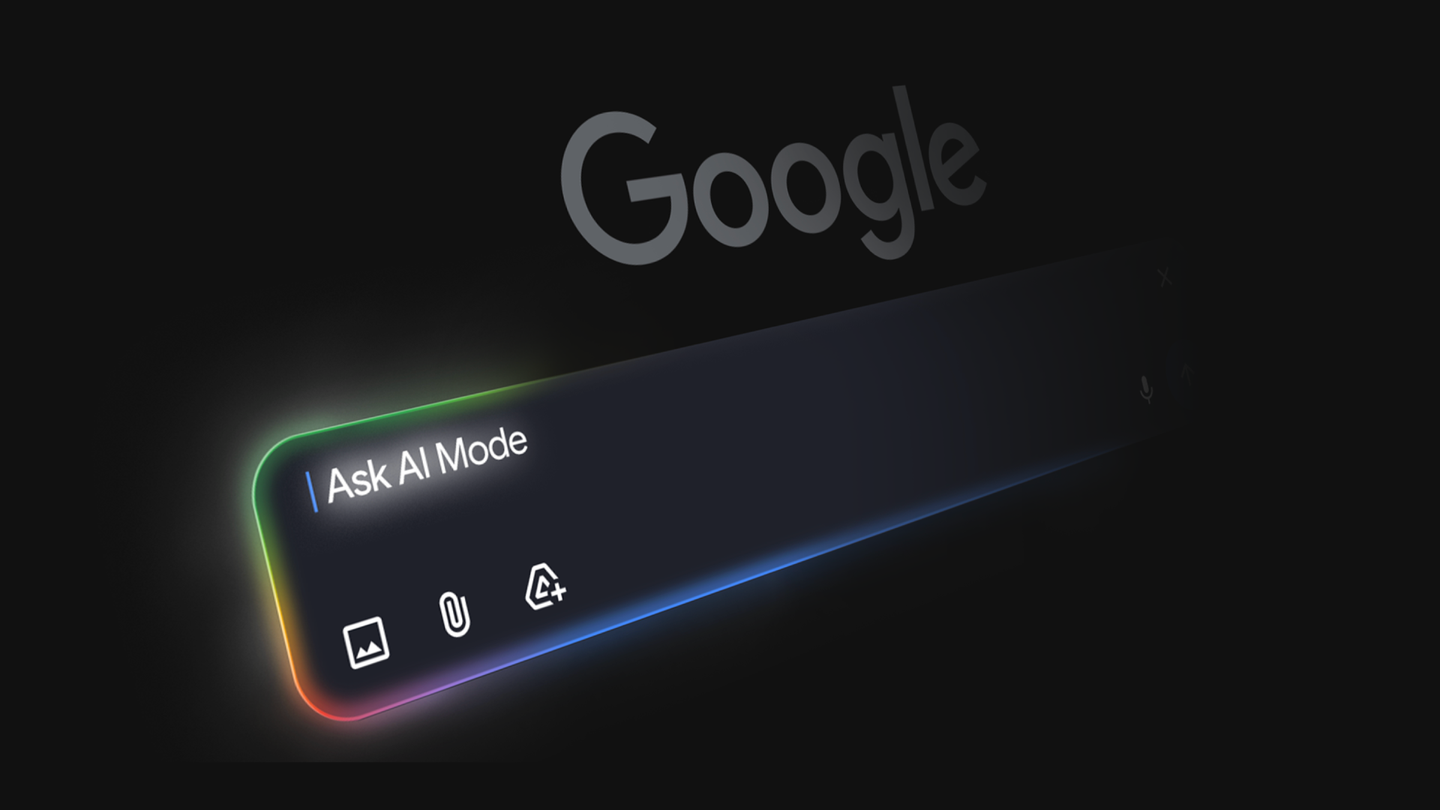
Launch Canvas in AI Mode for New Projects
Canvas in AI Mode is now available for everyone in the U.S., simplifying project creation.