
How AI Becomes the First Analyst on Your Team
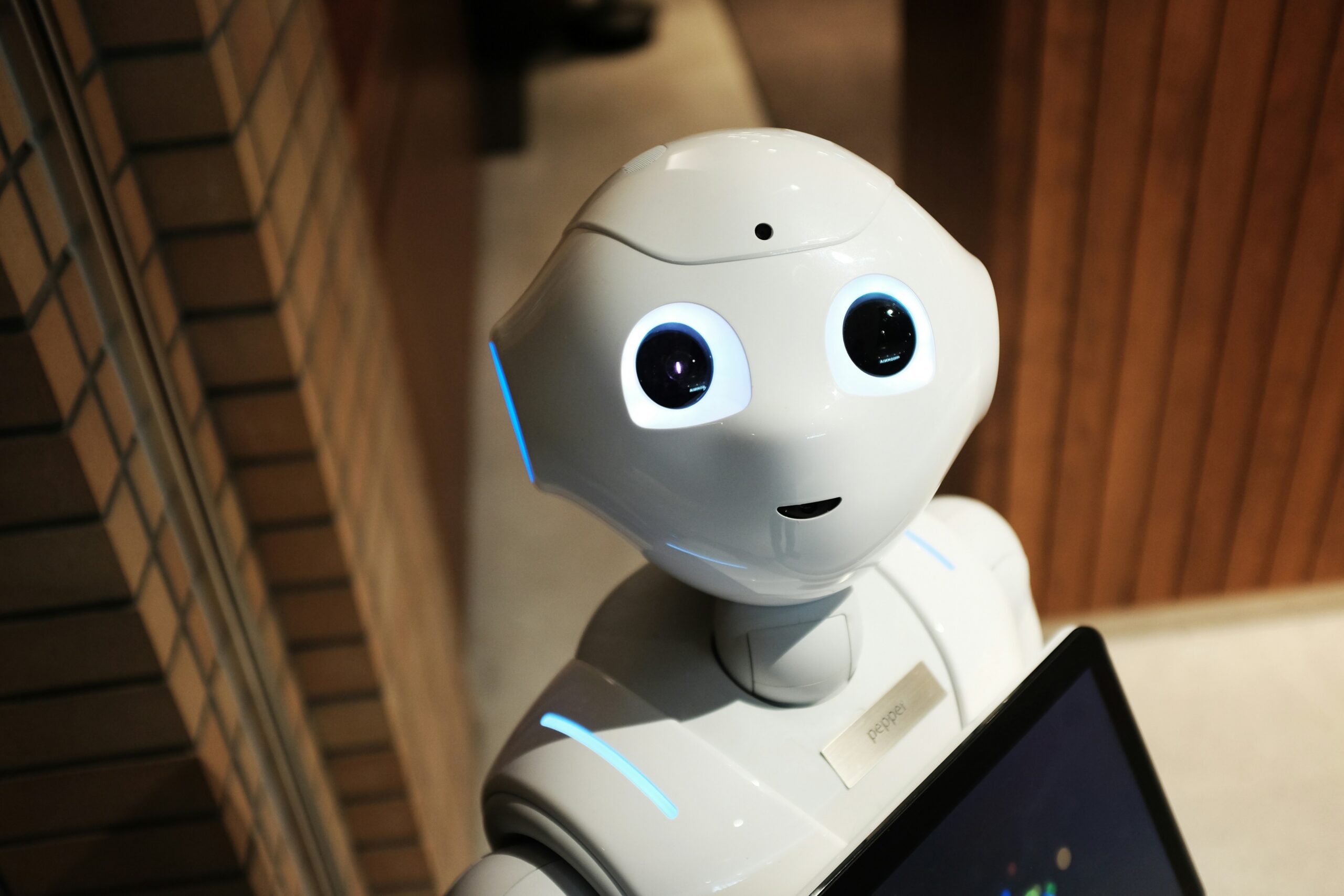
In today's world, data and analytics are becoming crucial aspects of work. With each passing day, I find myself relying more on artificial intelligence, which is gradually replacing traditional methods of analysis. My previous role involved defining business problems, finding the necessary data, and writing code for processing it. However, now AI has become the first tool I interact with before I start my work.
My workflow has changed: AI now assists me in writing code for data cleaning, analysis, and visualization, as well as generating insights I hadn’t noticed before. This change didn’t happen overnight, and I’ve realized that AI can perform many tasks faster and more efficiently than I can. This realization brings both excitement and anxiety, as I understand that AI is replacing not just one skill but several at once.
AI is becoming a universal tool for cognitive work, and I recognize that it’s important not just to use it but to understand when to rely on my own knowledge. I’ve started incorporating AI into my daily workflow, using it not only for information retrieval but for the complete cycle of problem-solving—from data cleaning to storytelling based on that data.
Moreover, I’m learning to compare AI’s outputs with my own conclusions to identify gaps and understand in which cases AI might be wrong. It’s crucial not to trust clean outputs blindly and to always question the validity of the insights AI suggests.
My role as an analyst is evolving: I’m moving from being just a query writer to a thinker who validates data and tells stories based on analysis. I realize that to maintain my relevance, I need to adapt to changes and develop my skills to stay one step ahead in the age of AI.
Optimize Search with Rerank from Cohere
Improve Claude Code for One-Shot Implementations
Related articles
Model Drift: Understanding and Fixing Performance Issues Over Time
Model drift refers to the deterioration of predictive model performance over time. Learn how to detect and fix it.

Increasing Enterprise Governance Challenges with Edge AI Workloads
Gemma 4 from Google presents new challenges for enterprise IT security.
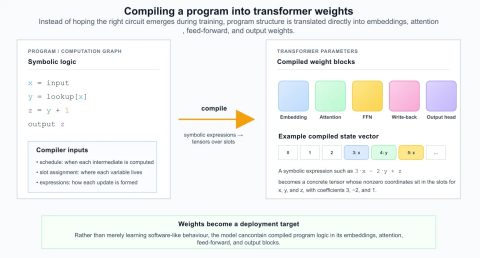
Creating a Tiny Computer Inside a Transformer for Program Execution
Researchers have developed a tiny computer inside a transformer for program execution.