
Open-source AI model SpeciesNet aids wildlife conservation efforts
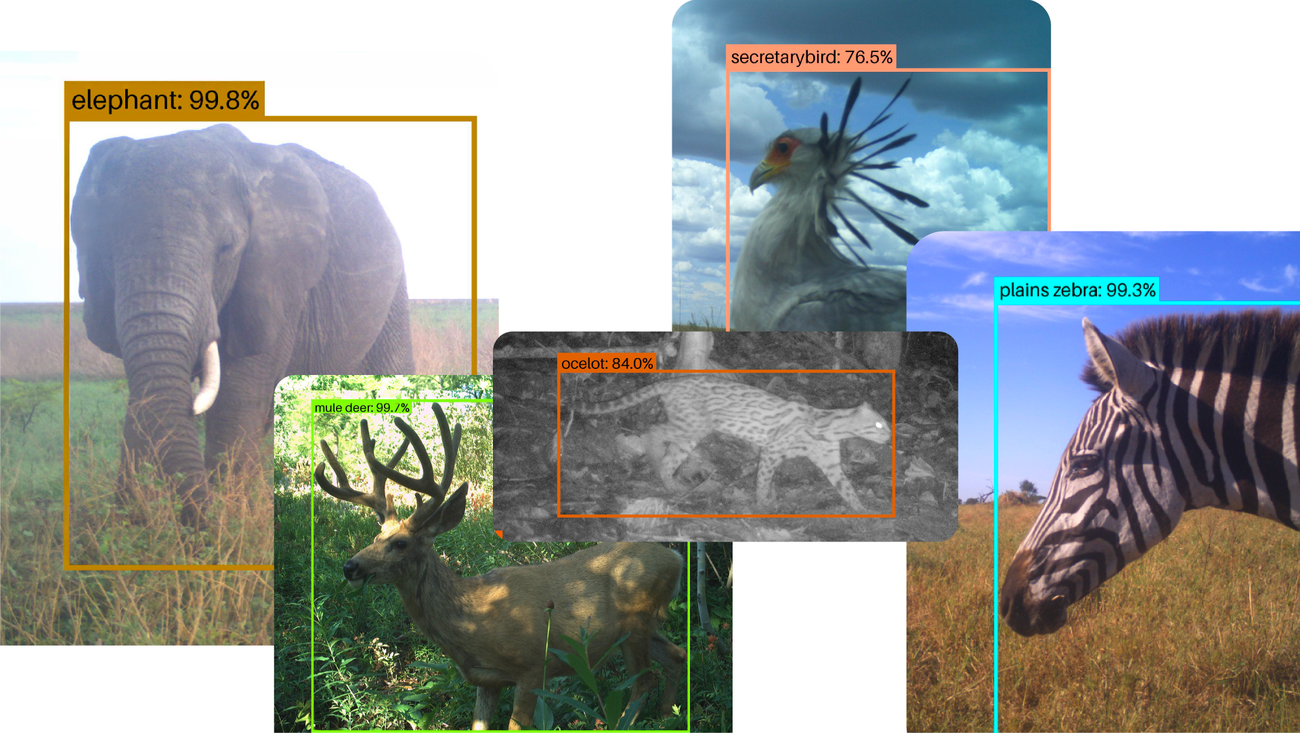
The open-source AI model SpeciesNet, launched a year ago, has significantly simplified the process of identifying animals and studying their habitats, thus promoting wildlife monitoring and conservation worldwide. SpeciesNet assists researchers in analyzing data from camera traps, enabling them to achieve results faster and take action to protect endangered species.
The Snapshot Serengeti project in Tanzania utilizes SpeciesNet to analyze 11 million photos, accelerating vital research. In Colombia and Australia, this model helps track changes in wildlife populations and protect unique local species. In Idaho, SpeciesNet processes millions of camera images, simplifying wildlife monitoring.
SpeciesNet can identify nearly 2,500 species of animals, including mammals, birds, and reptiles. This significantly saves researchers' time, allowing them to focus on more critical aspects of conservation. Groups around the world use this tool to study animal behavior and identify threats they face.
The Snapshot Serengeti project, operating since 2010, employs camera traps to study animal behavior in one of Africa's most biodiverse regions. The project partnered with the Tanzanian Wildlife Research Institute to analyze decades of data in just days.
In Colombia, the Humboldt Institute uses SpeciesNet to monitor species inhabiting the Amazon, where rapid ecosystem changes are occurring. The Red Otus project collects data on bird migrations and behavioral changes in animals, helping to understand how human activity impacts wildlife.
Gemini in Google Sheets Achieves State-of-the-Art Performance
Announcing Key AI News from February
Похожие статьи

Launching Project Genie for Creating Interactive Worlds
Project Genie provides users with the ability to create interactive worlds using the new Genie 3 model.

AI in Healthcare Brings Significant Profit, According to Research
Artificial intelligence in healthcare shows significant growth and profitability, according to a new NVIDIA report.

NVIDIA and Partners Introduce Software-Defined AI-RAN for 6G
NVIDIA and Nokia introduced software-defined AI-RAN, delivering high-performance 5G and opening new opportunities for 6G networks.