
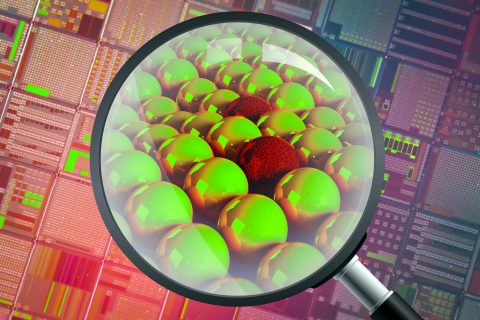
MIT Researchers Use AI to Identify Atomic Defects in Materials
MIT has developed an AI model for accurate measurement of atomic defects in materials.
Academic and corporate research drives AI forward — this section highlights publications from leading labs worldwide. Discover new algorithms, architectures, and theoretical breakthroughs as they emerge. Be the first to learn about advances from MIT, Stanford, DeepMind, OpenAI, and beyond.
MIT has developed an AI model for accurate measurement of atomic defects in materials.
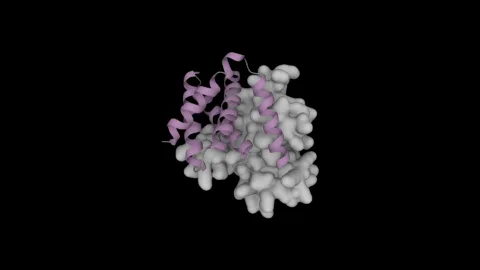
NVIDIA introduces Proteina-Complexa for designing high-affinity protein binders and enzymes.

Discover how zero-trust architecture secures AI factories by protecting data and models.

AI is transforming research by increasing the number of papers but decreasing their quality.

FlashAttention-4 optimizes performance with a new algorithm and kernel design.
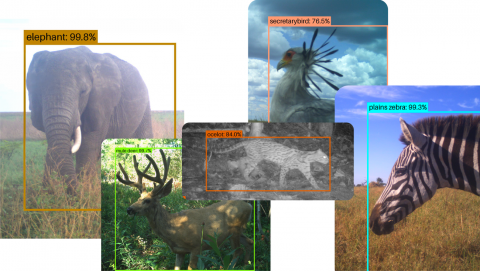
SpeciesNet helps researchers identify animals and protect their habitats.

Project Genie provides users with the ability to create interactive worlds using the new Genie 3 model.
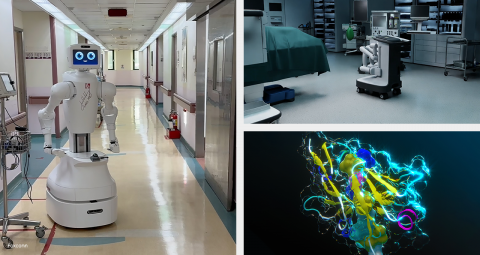
Artificial intelligence in healthcare shows significant growth and profitability, according to a new NVIDIA report.

NVIDIA and Nokia introduced software-defined AI-RAN, delivering high-performance 5G and opening new opportunities for 6G networks.

An agreement on cooperation has been signed with the AISI institute in the UK for research on AI safety aimed at its safe application and development.

Gemini Deep Think revolutionizes scientific research in 2026, solving problems in mathematics, physics, and computer science. Learn more!