
Accelerate AI Factories for Enhanced Grid Reliability
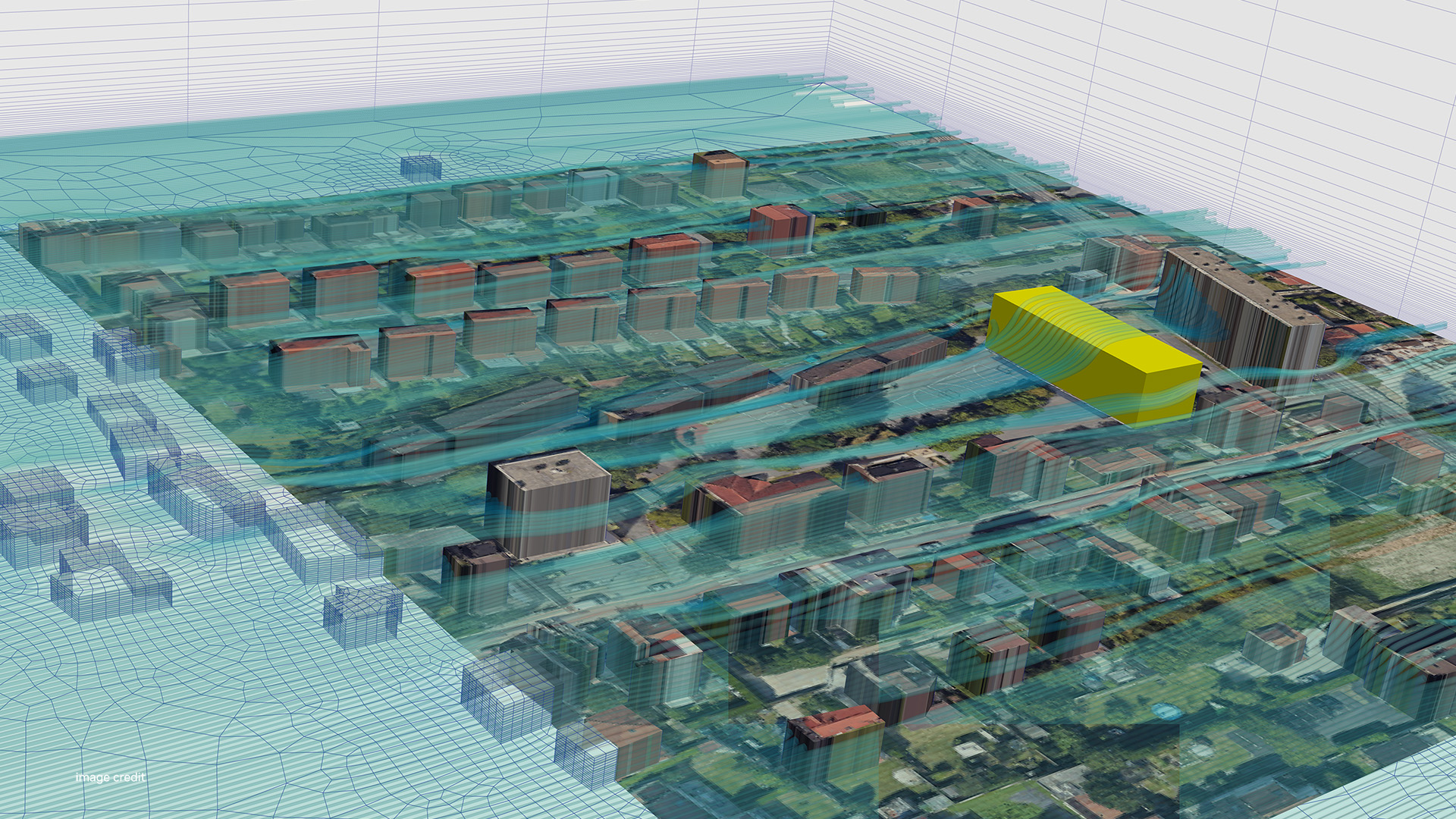
At the CERAWeek conference, known as the Davos of energy, NVIDIA and Emerald AI unveiled a new approach to AI factories. Instead of viewing them as static power loads, they propose treating them as flexible and intelligent assets for the energy grid. This collaboration integrates accelerated computing, AI factory reference architectures, and real-time energy orchestration, enabling large AI deployments to connect to the grid faster and operate more efficiently.
Utilizing the NVIDIA Vera Rubin DSX AI Factory architecture and the Emerald AI Conductor platform, this new methodology combines computing power, energy networking, and control into a single architecture. This allows AI factories to generate valuable AI tokens while dynamically responding to grid conditions, thereby enhancing reliability and reducing the need for overbuilt infrastructure for peak demand.
Companies such as AES, Constellation, and NextEra Energy are working to build the energy generation capacity needed to meet rapidly growing power demands. They plan to collaborate on optimized generation strategies to support AI factories based on the NVIDIA and Emerald AI architecture, including hybrid projects that use co-located power sources to accelerate grid connection.
This represents a significant step towards grid resilience, supported by an ecosystem for advanced AI factories. The new computing infrastructure paradigm, described by NVIDIA founder Jensen Huang as a five-layer AI cake, has energy as its foundational layer. Power constraints are reshaping AI data centers, where energy efficiency is becoming the defining metric.
By prioritizing computational efficiency, organizations can lower operating costs and create a resilient digital infrastructure. NVIDIA has a long history of driving performance and energy efficiency, with the number of tokens generated within the same power budget increasing each year.
NVIDIA ecosystem partners showcased how AI and workforce innovations are accelerating the energy infrastructure development. For instance, Maximo completed a 100-megawatt solar installation using AI-driven robotics, helping to bridge the gap between rising electricity demand and construction capacity.
Thus, AI, digital twins, and workforce innovation converge to deliver faster and more resilient energy infrastructure, highlighting the importance of collaboration for achieving grid reliability.
Glia Wins Award for Safer AI in Banking
Create New Worlds in Project Genie with These 4 Tips
Похожие статьи
Create Music with Lyria 3, Our Newest Generation Model
Discover the new music generation model Lyria 3 from Google, available for developers.

LL COOL J and James Manyika Discuss AI and Music
LL COOL J and James Manyika discuss how AI impacts music and creativity.
Launch Canvas in AI Mode for New Projects
Canvas in AI Mode is now available for everyone in the U.S., simplifying project creation.