
The Future of Data Compression: From Pixels to DNA
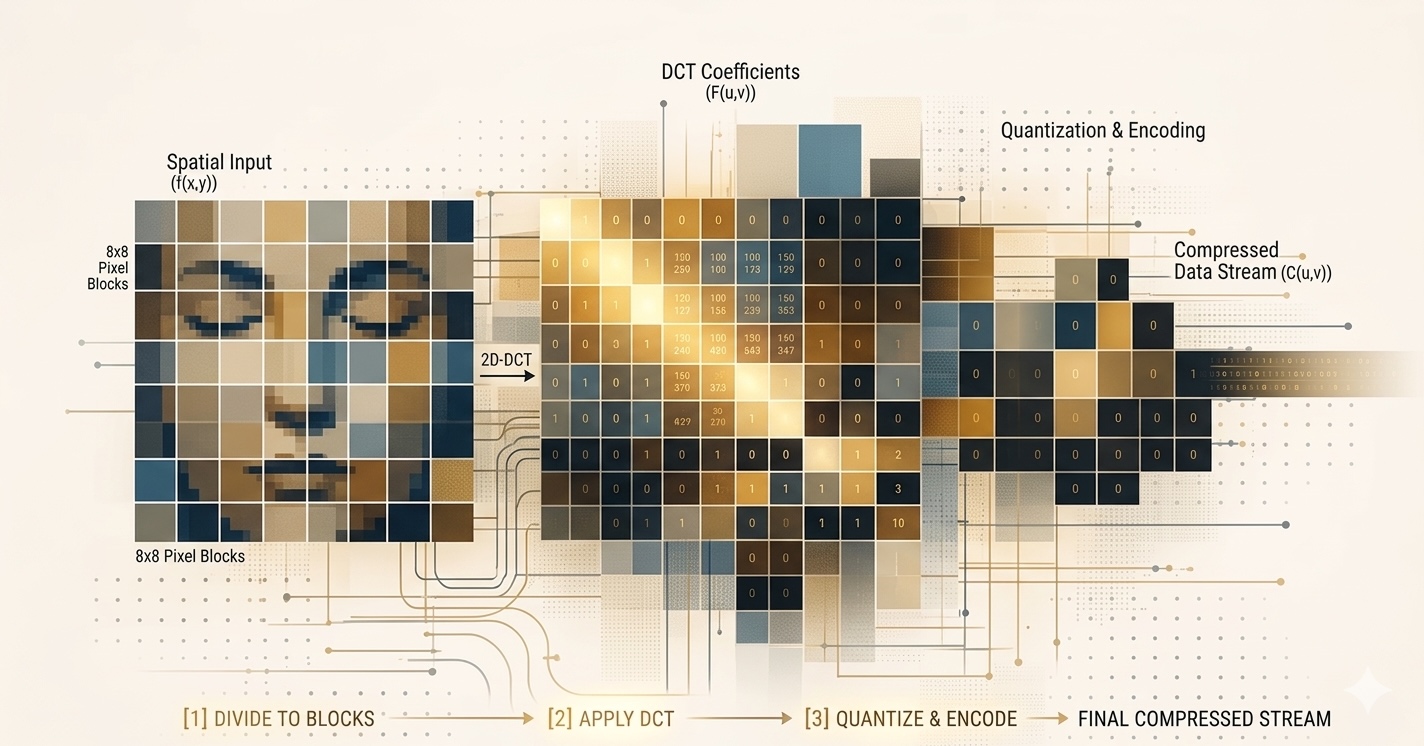
Data compression has evolved beyond just audio and video challenges. Today, it encompasses all types of data, including genomes, point clouds, haptics, 3D scenes, and machine features. The volume of data generated across various sectors, from entertainment to medicine and autonomous vehicles, is growing at an unprecedented rate. In just over 70 years since the invention of the transistor in 1947, we have unlocked immense computing power and made significant advancements in fields such as genetics and space exploration.
In 2020, the total global data created, captured, copied, and consumed was about 59 zettabytes, with projections suggesting a rise to 175 zettabytes by 2025. It is crucial not only to generate data but also to effectively transfer, store, and process it. This necessity has made compression a foundational technology for the entire digital ecosystem.
The ISO/IEC JTC 1/SC 29 subcommittee, while not widely recognized, underpins the entire digital media and entertainment industry. It coordinates JPEG standards for image compression and develops technologies for compressing and transporting video, audio, and other multimedia data. Recently, its scope has expanded from “media for humans” to “data for humans and machines,” covering images, video, and 3D.
JPEG AI has emerged as the first learning-based image coding standard that utilizes AI and latent spaces instead of handcrafted transformations. This allows images to be transformed into latent tensors that are then compressed and transmitted. This method also facilitates analysis without fully decoding pixels, simplifying data handling.
On the other hand, JPEG Trust establishes a framework for tracking the origin and authenticity of digital images, which is increasingly important in the age of synthetic media. This standard helps build trust in digital media by recording metadata about the origin and modifications images undergo.
JPEG Pleno and JPEG XS represent new standards enhancing data compression capabilities, including working with volumetric data and low-latency video. These technologies are essential for integrating new capture devices and ensuring interactivity in complex scenarios.
Drones become smarter for large agricultural holdings
Startup Gitar raises $9 million to enhance code quality
Related articles

US-China AI performance gap closes, but responsibility gap widens
The Stanford University report indicates that while the US-China AI performance gap has closed, issues with responsibility and safety remain.
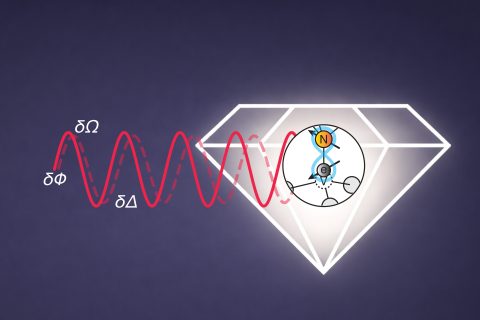
MIT develops multitasking quantum sensors for simultaneous measurements
MIT researchers have developed quantum sensors capable of measuring multiple physical quantities simultaneously.
Google AI Research proposes Vantage for assessing collaboration and creativity skills
Google AI Research proposes Vantage — a system for assessing durable skills.