
Cadence expands AI and robotic partnerships with Nvidia and Google Cloud
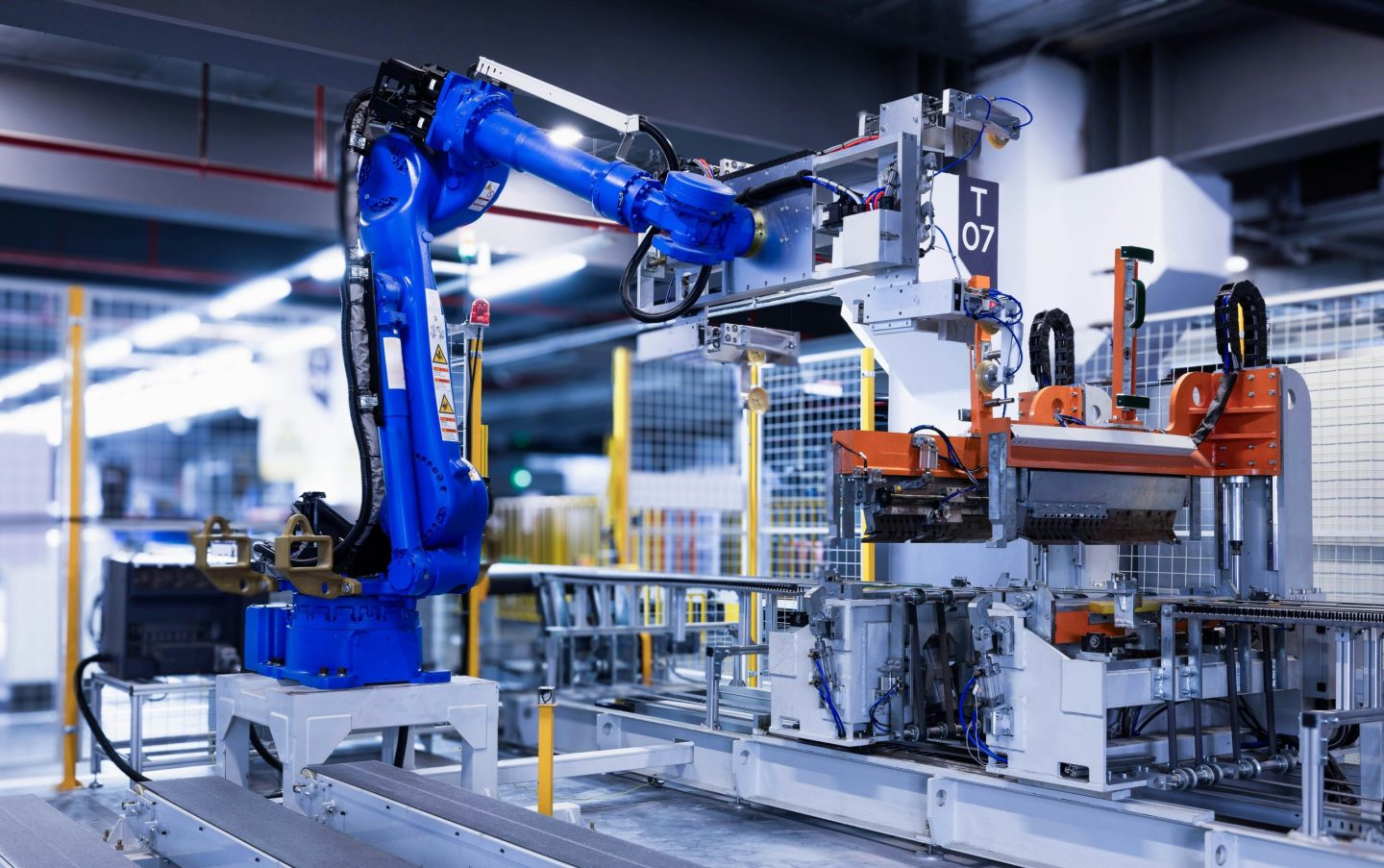
Cadence Design Systems announced two new collaborations related to artificial intelligence at its CadenceLIVE event. The first partnership with Nvidia focuses on combining AI with physics-based simulation and accelerated computing for robotic systems and system-level design. The companies stated that this approach targets modeling and deployment in semiconductors and large-scale AI infrastructure, including robotic systems described by Nvidia as physical AI.
Cadence is integrating its multi-physics simulation and system design tools with Nvidia's CUDA-X libraries, AI models, and Omniverse-based simulation environment. These tools model thermal and mechanical interactions, allowing engineers to assess how systems behave under real-world operating conditions. The integration extends beyond chip design to cover infrastructure components such as networking and power systems. The combined platform enables engineers to simulate system behavior before physical deployment, which is critical for system performance.
The collaboration also includes robotics development. Cadence's physics engines, which model how real-world materials interact, are being linked with Nvidia's AI models used to train AI-driven robotic systems in simulated environments. According to Nvidia CEO Jensen Huang, training robots in simulation reduces the need for real-world data collection.
Cadence also introduced a new AI agent designed to automate later-stage chip design tasks. The agent focuses on physical layout processes, translating circuit designs into silicon implementations. This system will be available through Google Cloud, combining Cadence's electronic design automation tools with Google's Gemini models for automated design and verification workflows.
Additionally, Nvidia announced a new family of open-source quantum AI models called NVIDIA Ising, designed for quantum processor calibration and error correction. These models deliver up to 2.5 times faster performance and three times higher accuracy in decoding processes used for error correction. Jensen Huang emphasized that AI is essential for making quantum computing practical.
UCSD and Together AI Introduce Parcae: A Stable Architecture for Language Models
Introduction to Deep Evidential Regression for Uncertainty Quantification
Related articles
Physical Intelligence unveils a universal robot brain capable of learning
Physical Intelligence presents a robot model capable of performing unfamiliar tasks.
Antioch startup develops simulation tools for robotics
Antioch develops simulation tools for robots to bridge the gap between simulation and reality.
Google DeepMind Introduces Gemini Robotics-ER 1.6 with Enhanced Reasoning
Google DeepMind announces the update of Gemini Robotics-ER 1.6 with new features.