
Exploring Anthropic's Code Leak: What They Were Hiding
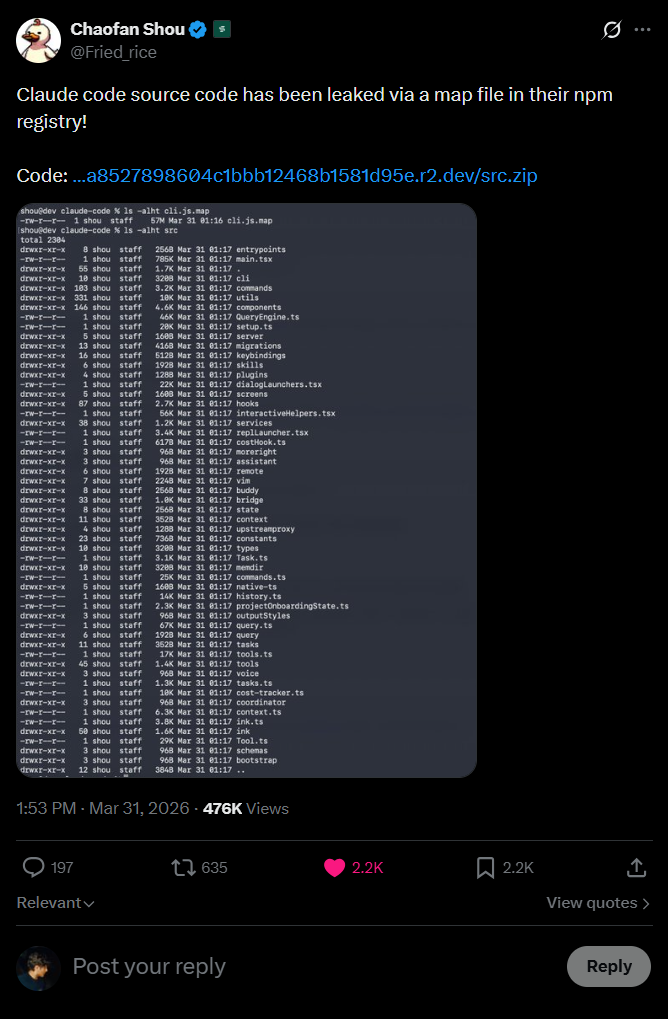
The recent code leak from Anthropic has drawn attention from the artificial intelligence community, revealing that a single error in a configuration file led to the exposure of over 512,000 lines of proprietary code. This incident, which occurred on March 31, 2026, unveils the complexities of the software, including unique features like a secret AI pet and a proactive assistant.
The now-public code highlights the intricacies involved in developing and implementing AI technologies. The leak raises not only security concerns but also ethical questions regarding AI development and the potential for misuse of technology. This event underscores the importance of protecting intellectual property in a competitive tech landscape.
The discussion surrounding the repercussions of the code leak is pertinent for both developers and AI users. It raises questions about how accidental disclosures can impact competitive landscapes and what measures should be taken to mitigate risks in the future. It is crucial to recognize that such incidents can have far-reaching consequences for companies and their reputations.
Developers and researchers must be particularly vigilant regarding security and ethical considerations to prevent similar occurrences. The Anthropic code leak serves as a reminder that in the world of AI, a balance between innovation and responsibility must be maintained.
In conclusion, the code leak incident highlights the need for transparency and open discussions about ethical issues in artificial intelligence. Society must engage in these discussions to ensure the safe and ethical development of technologies moving forward.
Secure AI Systems: 5 Best Practices
Exploring the Evolution of YOLO in Computer Vision
Related articles

Google adds AI features to Chrome for saving workflows
Google adds a new Skills feature to Chrome for saving AI prompts.

Google launches Gemini's Personal Intelligence feature in India
Google launches Gemini's Personal Intelligence feature in India, allowing users to receive personalized answers.
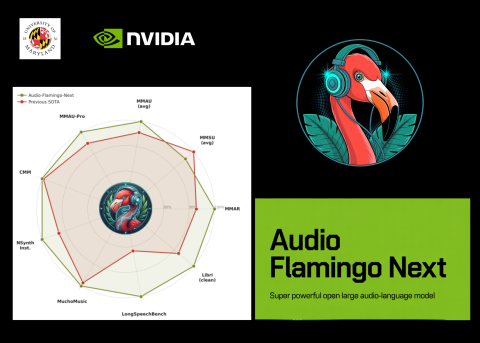
NVIDIA and University of Maryland Unveil Audio Flamingo Next
NVIDIA and University of Maryland unveiled Audio Flamingo Next, a powerful audio-language model for processing speech and sounds.