
Autonomous underwater vehicles optimize diver operations
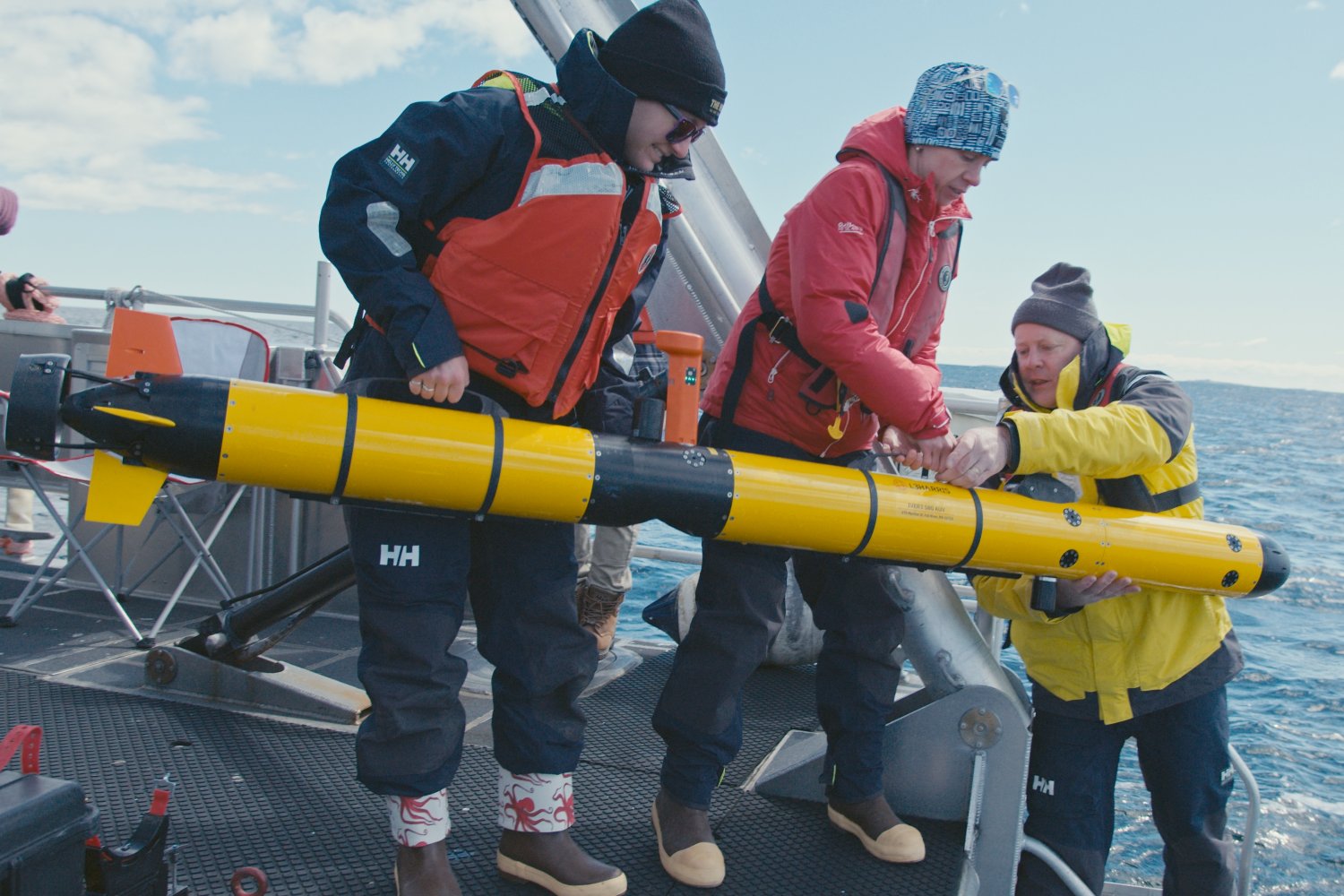
The MIT Lincoln Laboratory project focuses on human-robot collaboration underwater. The idea is to use autonomous underwater vehicles (AUVs) to map underwater lines and identify fault locations, simplifying the work for divers. This is particularly important for U.S. military operations, including critical infrastructure inspection and repair.
As lead researcher Madeline Miller notes, divers and AUVs typically do not work together underwater. Human involvement is often required in situations where manipulation is needed, which robots cannot perform, such as repairing or deactivating mines. However, robots excel over humans in processing power and speed, making them valuable assistants in underwater missions.
Miller's team is developing hardware and algorithms for underwater navigation and perception, which are key for effective human-robot teaming. Divers often lack landmarks and can easily become disoriented in low visibility conditions. Robots need to perceive their environment to assist divers.
However, traditional optical sensors do not always function well in darkness and murky water, complicating their use. Miller's team is developing an AI classifier that can process both optical and sonar data in real-time while soliciting diver input for object classification.
Underwater acoustic modems are used for communication between divers and AUVs, allowing information transfer, although data transmission rates in such conditions are quite low. The team investigates how to compress data to make it useful, considering the constraints of underwater communication.
The prototype system has been tested along the coast of New England, including open ocean and the Charles River, using various vessels as diver surrogates. These tests help the team refine technologies and prepare them for real-world conditions.
Scotiabank launches AI framework to optimize operations
Optimizing GPU Usage for Efficient Model Training
Related articles
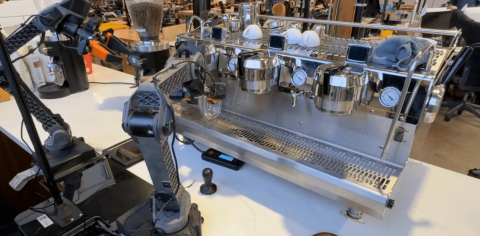
Physical Intelligence unveils a universal robot brain capable of learning
Physical Intelligence presents a robot model capable of performing unfamiliar tasks.
Antioch startup develops simulation tools for robotics
Antioch develops simulation tools for robots to bridge the gap between simulation and reality.
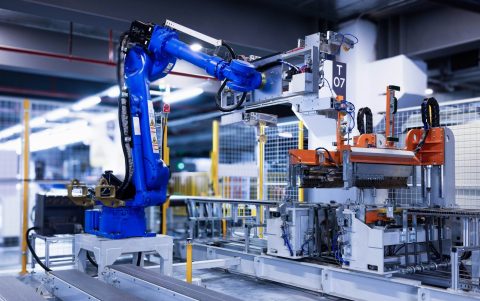
Cadence expands AI and robotic partnerships with Nvidia and Google Cloud
Cadence Design Systems announced new partnerships with Nvidia and Google Cloud to enhance robotics and chip design.