
AI Companies Build Gas Plants for Data Centers Amid Concerns
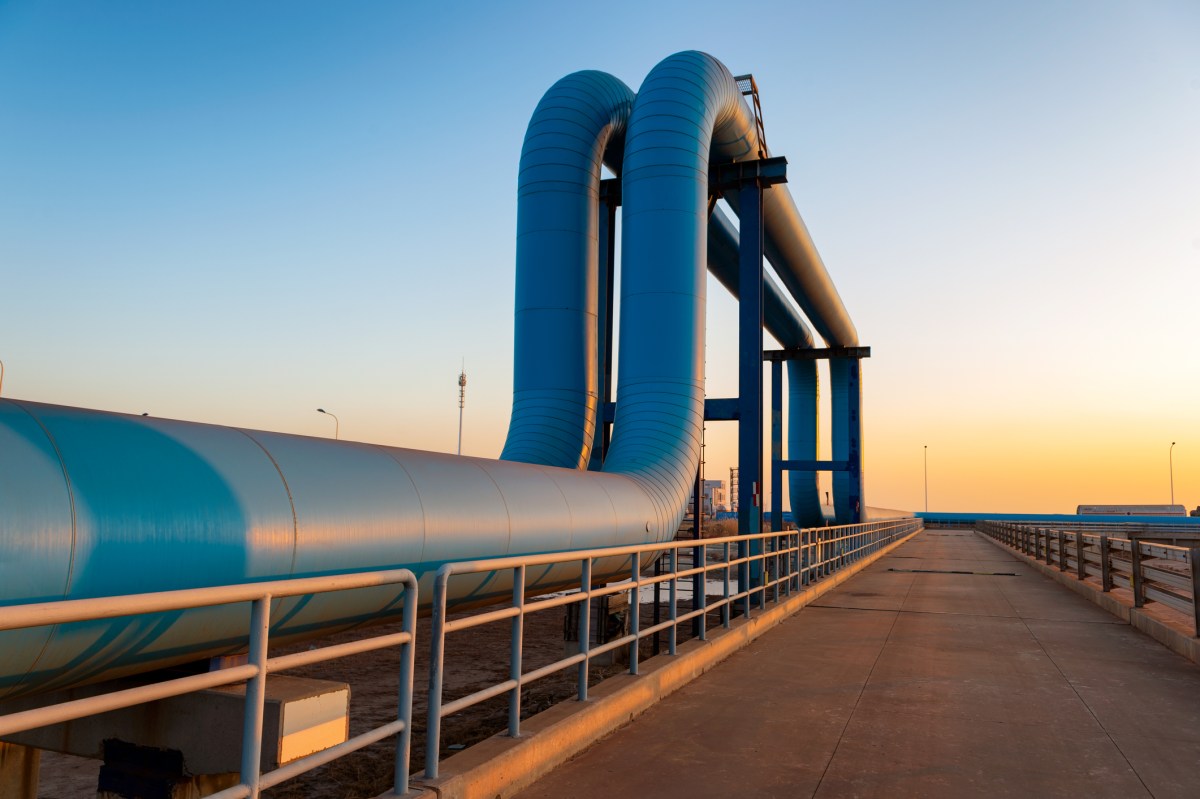
The tech industry has always experienced a fear of missing out on significant trends, and the AI bubble has become the largest of them all. Its first manifestation is the rush to secure energy for data centers, leading to a scramble for natural gas supplies and necessary equipment. Microsoft announced it is working with Chevron and Engine No. 1 to build a natural gas power plant in Texas with a capacity of up to 5 gigawatts. Google has also confirmed its collaboration with Crusoe to create a 933 MW gas power plant in North Texas, while Meta has added seven more gas plants to its Hyperion data center in Louisiana, raising the total capacity to 7.46 GW.
Recent investments are concentrated in the southern U.S., which hosts some of the largest natural gas reserves. The U.S. Geological Survey estimates that one region alone has enough gas to power the entire country for ten months. However, the rush for natural gas has led to a shortage of turbines for power plants, with prices expected to rise by 195% by the end of the year compared to 2019. This equipment accounts for 20-30% of a plant's cost, and new orders won't be accepted until 2028.
Companies are betting that the demand for AI will not wane and that natural gas generation will be essential for success in the AI era. While the U.S. has abundant natural gas supplies, the cost of transporting it remains high, insulating the country somewhat from turmoil in the Middle East. However, supplies are not unlimited, and recent growth in production in key regions responsible for three-quarters of U.S. shale gas output has slowed considerably.
It remains unclear how insulated tech companies are from price swings, as none have disclosed specific terms of their agreements. Even if contracted prices are stable, companies could still face repercussions. Natural gas accounts for about 40% of electricity in the U.S., and electricity prices are closely tied to gas prices. Tech companies might temporarily shield themselves from scrutiny by moving their gas power plants off the grid, but this merely shifts their use from one grid to another.
The rush for AI has illustrated how physically constrained the digital world remains. It raises the question of whether it makes sense to bet big on a finite resource. Tech companies might regret falling for the FOMO, as they strive to power their data centers with increasingly scarce natural gas.
Explore DenseNet Architecture and Its Implementation in PyTorch
Google DeepMind Develops LLM to Automate Game Theory Algorithms
Related articles

Startup Objection uses AI to assess the truthfulness of journalism
The startup Objection uses AI to assess the truthfulness of journalism by allowing challenges to publications.

Gizmo attracts 13 million users and $22 million in funding
Gizmo, an AI learning platform, attracts 13 million users and $22 million in funding.

Hightouch reaches $100M ARR fueled by AI marketing tools
Hightouch reaches $100M ARR by launching an AI service for marketers.