
ANYbotics and SAP Transform Industrial Sector with AI
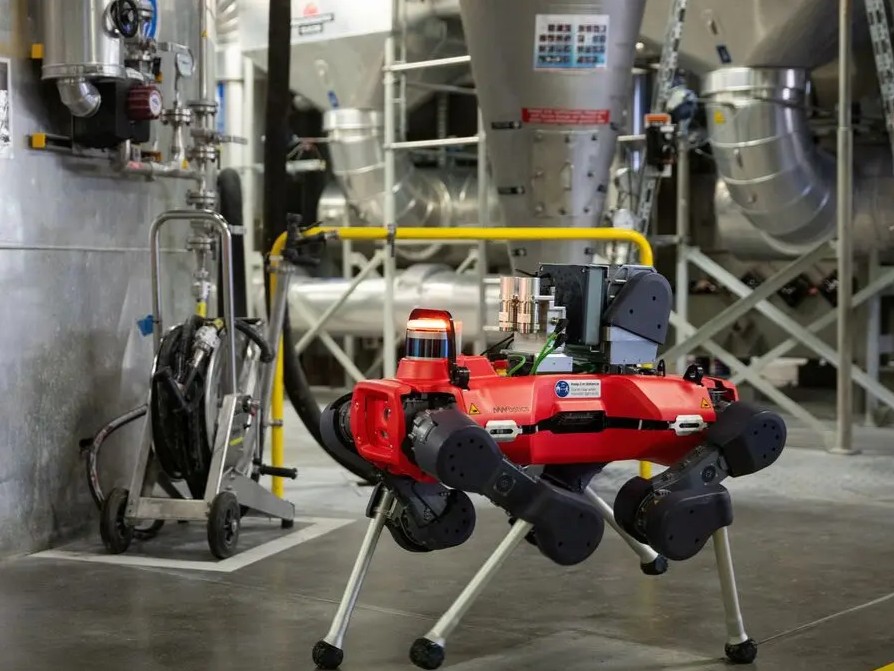
Heavy industry traditionally relies on people to inspect hazardous and dirty facilities, which is costly and poses safety risks. Swiss company ANYbotics and software giant SAP aim to change this situation. ANYbotics' four-legged autonomous robots will be directly integrated into SAP's enterprise resource planning software. This allows the robot to be viewed not as a standalone asset but as a mobile data-gathering node within industrial IoT networks.
This initiative underscores that hardware innovation can effectively connect with established business workflows. SAP is sponsoring the AI & Big Data Expo in North America, highlighting the importance of integrating AI and big data into industry. When equipment breaks down at a chemical plant or offshore rig, it can be very expensive. Humans conduct routine inspections, but they can get tired, and the scale of plants is enormous.
Robots, on the other hand, can continuously patrol the area, equipped with thermal, acoustic, and visual sensors. By connecting these sensors to SAP, a hot pump can instantly generate a maintenance request without waiting for a human report. Typically, identifying a problem and logging a work order are two disconnected steps. A worker might hear a strange noise in a compressor, write it down, and input it into a computer hours later, which can lead to catastrophic consequences.
Integrating ANYbotics with SAP eliminates this delay. The robot's AI processes information instantly. If it detects an irregular motor frequency, it does not just display a warning on a separate screen; it uses APIs to directly notify the SAP asset management module. The system immediately checks for spare parts, assesses potential downtime costs, and schedules an engineer.
This automates the flow of information from the equipment to management, allowing machinery to be evaluated based on objective data rather than a human inspector's subjective opinion. However, deploying robots in heavy industry comes with challenges, such as unreliable infrastructure and poor internet connectivity. To address these issues, edge computing is employed, enabling local data processing and minimizing network load.
Companies also build private 5G networks to ensure communication in large facilities where regular Wi-Fi fails. Security is critical, as robots can become vulnerable if hacked. Therefore, zero-trust protocols must be used to continuously verify the robot's identity and limit access to SAP modules.
Robots generate vast amounts of unstructured data, and managing this effectively is crucial. Poor management can lead maintenance teams to drown in unnecessary alerts. It is essential to set strict rules to ensure the system operates efficiently and alerts only about real issues. Successful deployment of physical AI hinges on how management handles human resources.
Workers may fear that robot deployment will lead to layoffs. Therefore, management must clearly explain that the goal is to remove people from hazardous areas and allow them to focus on data analysis and repairs. The rollout should be gradual, starting with pilot projects in safe conditions. This will ensure the reliability of the system and the accuracy of data before adding more robots and expanding integration with other systems.
JPMorgan starts tracking employee AI usage at work
IBM Launches Granite 4.0 3B Vision for Document Data Extraction
Related articles
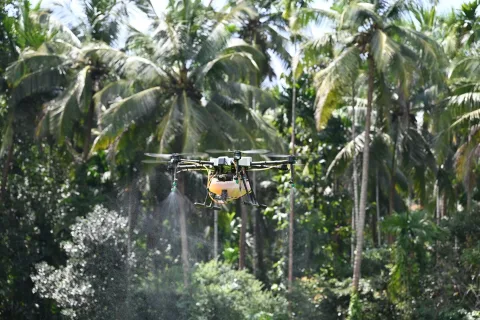
Drones become smarter for large agricultural holdings
GEODASH Aerosystems develops smart drones for agriculture.
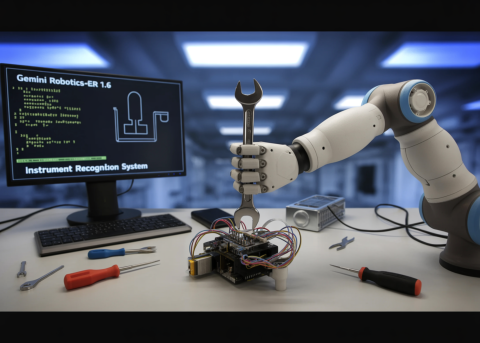
Google DeepMind Introduces Gemini Robotics-ER 1.6 with Enhanced Reasoning
Google DeepMind announces the update of Gemini Robotics-ER 1.6 with new features.

Max Hodak prepares for first human trials of brain-computer interface
Science Corporation is gearing up for the first human trials of its brain-computer interface.