
Max Hodak prepares for first human trials of brain-computer interface
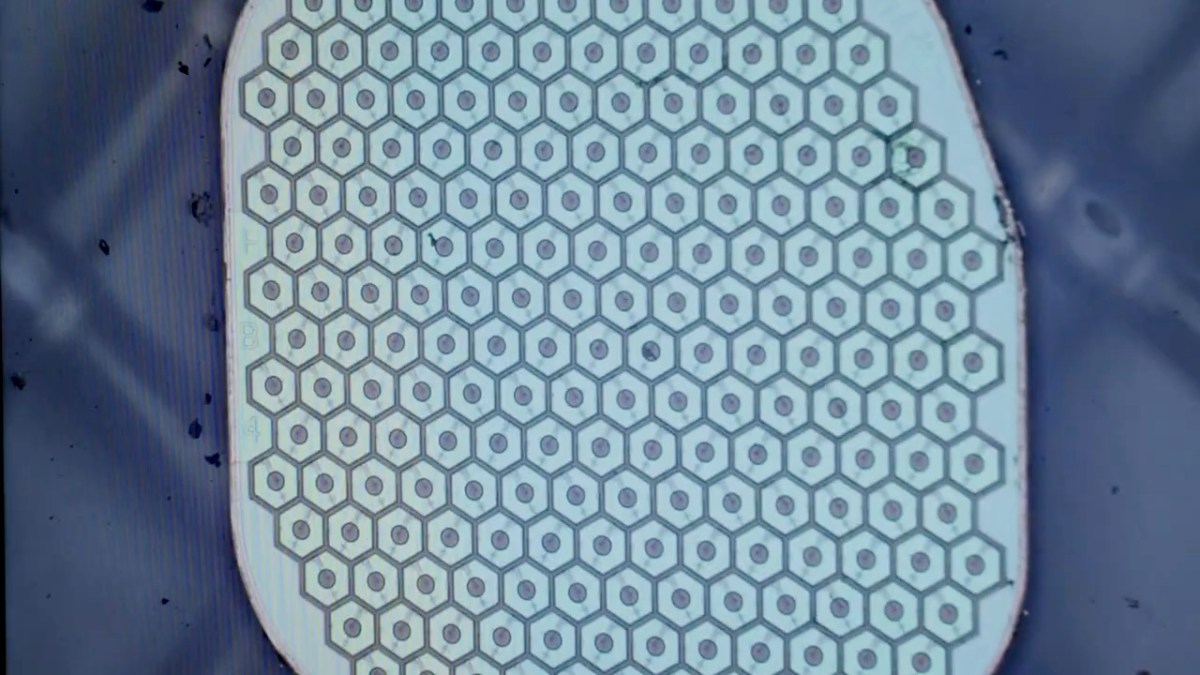
Science Corporation, the startup founded by former Neuralink president Max Hodak, has enlisted a leading neurobiologist to conduct the first U.S. human trials for its biohybrid brain-computer interface. Dr. Murat Günel, chair of Yale Medical School’s Department of Neurosurgery, has signed on as a scientific adviser after two years of discussions. His goal is to surgically implant the first sensor for a future interface that will eventually combine lab-grown neurons with electronics into a patient's brain.
Founded in 2021, Science recently completed a $230 million Series C funding round, valuing the company at $1.5 billion. Its most advanced product is PRIMA, a device designed to restore vision in individuals blinded by macular degeneration and similar conditions. The technology was acquired in 2024 and has progressed through clinical trials, with plans to make it more widely available in Europe pending regulatory approval, potentially as soon as this year.
However, Hodak co-founded the company with a larger vision in mind: to create reliable communication links between computers and the human brain, both to treat diseases and to pave the way for human enhancement, such as adding entirely new senses. He has dedicated his career to this proposition, from gaining entry into a neuroscience lab as a college student to founding his first biotech computing startup and building Neuralink alongside Elon Musk.
Neuralink and other organizations have succeeded in using electronic sensors to detect brain activity in patients suffering from ALS, spinal injuries, and other conditions that sever the brain’s communication with the body. Users with implanted devices can control computers or generate words on a screen simply by thinking about them. However, the path to a real market for these devices remains murky, given regulatory challenges and the relatively small number of patients with applicable diagnoses.
For his part, Hodak concluded that the conventional method of influencing the brain with electricity using metal probes or electrodes is the wrong path forward. While the technology can achieve remarkable results, Günel says these probes cause brain damage that is likely to undermine device performance over time. This limitation led the Science founding team toward a more organic approach. "The idea of using natural connections through neurons and creating a biological interface between the electronics and the human brain is genius," Günel told TechCrunch.
NVIDIA ALCHEMI Toolkit: Accelerating Simulations in Chemistry and Materials Science
Creating a Context Layer to Enhance LLM System Performance
Related articles

Drones become smarter for large agricultural holdings
GEODASH Aerosystems develops smart drones for agriculture.
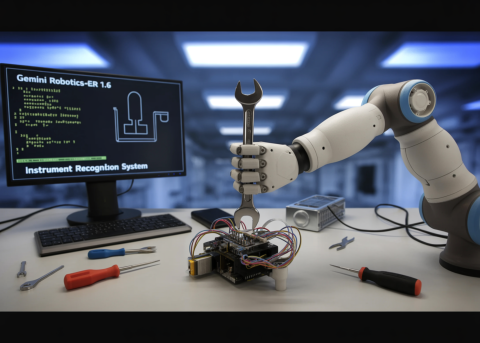
Google DeepMind Introduces Gemini Robotics-ER 1.6 with Enhanced Reasoning
Google DeepMind announces the update of Gemini Robotics-ER 1.6 with new features.
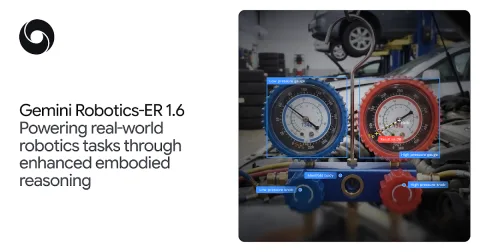
Gemini Robotics-ER 1.6 enhances robotic perception capabilities
Gemini Robotics-ER 1.6 enhances robots' reasoning abilities about the physical world.