
New AI Tool Optimizes Design of Morphing Robots
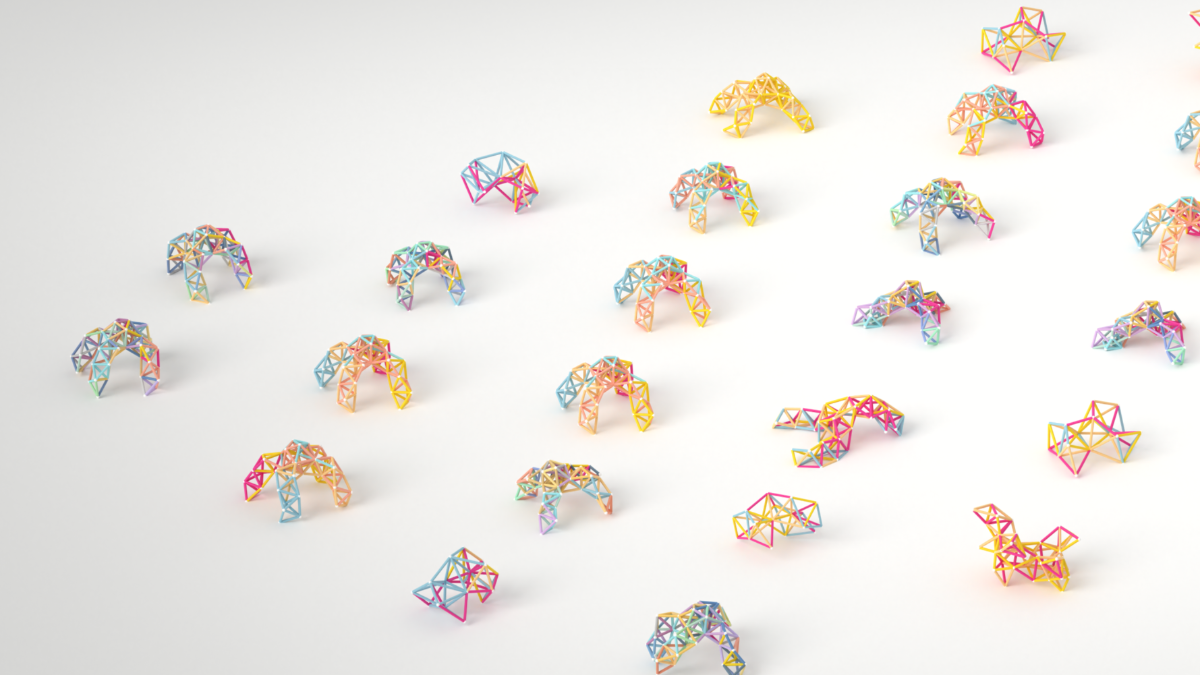
Researchers from the University of California, Berkeley, have developed a new AI-driven tool that can optimize and automate the design of complex truss robots. These robots can adapt to demanding environments by changing their shape, allowing them to perform a variety of tasks.
The design process for these robots becomes more complicated as the number of moving parts increases, which requires more complex control systems. However, the new AI method, based on genetic algorithms, minimizes the number of control units needed to achieve specific tasks, significantly simplifying the design process and enhancing control efficiency.
The research team has created several prototypes, including a quadruped robot and a shape-shifting helmet. Tests showed that AI-generated robots could achieve complex shape adaptations with minimal control units, opening up new possibilities for their application.
The researchers drew inspiration from biological systems, where complexity is managed through coordinated groups rather than individual control. This allows them to find the optimal number of control channels while maintaining high performance.
In the future, the team plans to incorporate generative designs that can automatically adapt robot shapes to specific user needs. This could lead to the creation of a new generation of robots, with functionality limited only by the designers' imagination.
New artificial muscle fibers developed for robotics
Reducing Checkpoint Costs with Python and NVIDIA nvCOMP
Related articles

Drones become smarter for large agricultural holdings
GEODASH Aerosystems develops smart drones for agriculture.
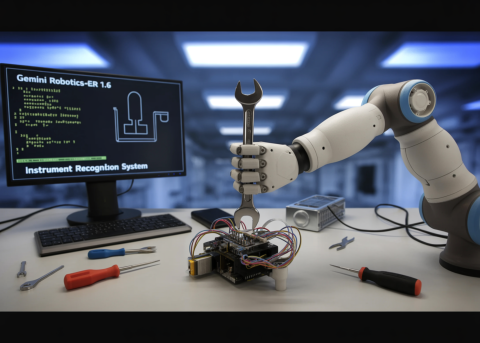
Google DeepMind Introduces Gemini Robotics-ER 1.6 with Enhanced Reasoning
Google DeepMind announces the update of Gemini Robotics-ER 1.6 with new features.
Max Hodak prepares for first human trials of brain-computer interface
Science Corporation is gearing up for the first human trials of its brain-computer interface.